News
Fitness Equipment

Home fitness equipment selection guide: From novice to advanced, there is always a suitable one for you
Working out at home is no longer a ‘temporary replacement’, but has become a lifestyle for more and more people. Whether it’s the corner of a small living room or a specially designed home gym, choosing the right equipment can make the exercise more effective with less effort. This article helps you clarify the selection logic of home fitness equipment from equipment classification, applicable scenarios to purchasing tips.
1、 Novice friendly: Low threshold to start exercise habits
- Yoga mat+elastic band: Get full body training for 100 yuan
Don’t underestimate these two “lightweight equipment” – yoga mats are not only the foundation of yoga and Pilates, but also can be used as cushioning pads for hand training (belly roll, flat support). Choose a style with 6mm thickness and anti slip material; Elastic bands are shaping tools with different resistance values (from 10 pounds to 50 pounds) that can be used to train buttocks, back, and arms. When folded, they are only the size of a palm and can be carried with you on business trips.
Suitable for: novice athletes, those pursuing lightweight training, and those with limited budgets. - Intelligent skipping rope: Say goodbye to counting troubles, data-driven sports effects
Is traditional skipping rope easy to snag and difficult to persist in? The smart skipping rope comes with Bluetooth connection function, which can automatically record the number of times, calorie consumption, and consecutive jumps. Some styles also support APP synchronization data and generate exercise reports. Cordless models are suitable for small spaces (such as apartments) to avoid damaging furniture; The rope style is closer to the power of outdoor skipping rope.
Suitable for users who want to improve their cardiovascular function and need fun incentives.
2、 Advanced Shaping Type: Targeted Strengthening of Physical Functions - Dumbbells/Adjustable Dumbbells: The “Master Key” for Strength Training
Dumbbells are the core equipment for strength training, with individual weights ranging from 1kg to 30kg. Beginners can start from 2-5kg and use it for bent lifts (training biceps) and shoulder pushes (training deltoids); If you want to save space, you can choose adjustable dumbbells and switch the weight (such as increasing from 5kg to 32kg) by rotating the knob, replacing multiple pairs of fixed dumbbells.
Matching movements: squat deeply (hold dumbbells to increase load), pull hard (exercise buttocks and legs), bend down and row (exercise back), covering all muscle groups of the body. - Treadmill: Aerobic preferred without weather restrictions
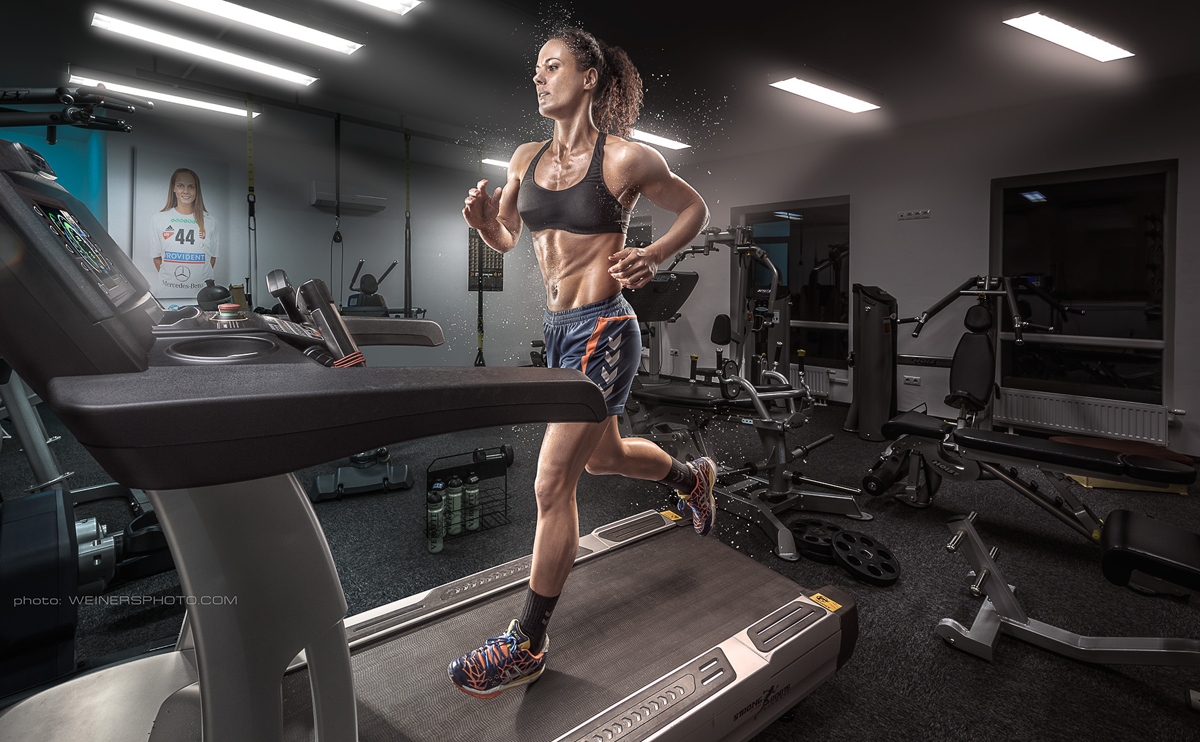
The core advantage of a treadmill is its ability to withstand wind and rain, especially suitable for winter in the north or rainy season in the south. Pay attention to three key points when making a purchase:
Running belt width: at least 45cm, avoid stepping on empty space while running;
Shock absorption system: High quality models can cushion knee pressure, and for those weighing over 80kg, spring or silicone shock absorbers are preferred;
Folding function: For small-sized apartments, semi-automatic folding options are available, occupying only 0.5 square meters for storage.
Suitable for people who prefer running and require stable aerobic training.
3、 Advanced Composite: Creating a Home “Mini Gym” - Multi functional bench press: Unlock all scenarios of strength training
If you want to train your chest, shoulders, and legs systematically, a bench press is a cost-effective choice. The basic model can achieve bench press (chest training), squat (leg training), and pull-up (with a high pole); The upgraded version comes with butterfly machine accessories, which can train the inner chest muscles or install leg flexion and extension devices to specifically strengthen the quadriceps.
Attention: More than 2 square meters of space should be reserved, and the bracket should be stable during installation. Novice users are recommended to use it with a protective pad. - Elliptical machine: the “all body aerobic king” that does not harm the knees
The elliptical machine can exercise both upper and lower limbs simultaneously through coordinated movement of hands and feet, and the soles of the feet never leave the pedal, with joint impact only one-third of that of running, making it particularly suitable for overweight people. When choosing, pay attention to the weight of the flywheel (8kg or more is smoother) and whether it has a slope adjustment function to enhance training diversity.
4、 Selection and Avoidance Guide: 3 Core Principles
Prioritize on demand and reject the “all rounder gimmick”: for example, multi-functional equipment that claims to “train the whole body” often has poor experience with individual movements. It is better to focus on 1-2 core needs (such as choosing a treadmill for pure aerobic exercise and dumbbells for strength training).
Measure space and reserve activity range: The size of the equipment should not only depend on the body, but also take into account the safety distance during use (such as leaving a 1.5m buffer space in front of the treadmill).
Pay attention to after-sales service, especially for large equipment such as treadmills and elliptical machines that require on-site installation. Priority should be given to brands that provide “3-year motor warranty+lifetime maintenance” to avoid having no way to repair in the later stage.
Whether it’s light equipment that starts at a hundred yuan or professional equipment that costs tens of thousands of yuan, the key to fitness effectiveness always lies in “persisting in use”. Only by making rational choices based on one’s own exercise goals, spatial conditions, and budget can home fitness equipment truly become a driving force for healthy living. If you are still struggling with specific styles, please leave your requirements in the comment section, and we will recommend cost-effective models for you
相关文章
Fitness Equipment

Home fitness equipment selection guide: From novice to advanced, there is always a suitable one for youWorking out at ho...